
Enrolling in a Firefighter Academy is the most important step for individuals dedicated to protecting their communities and saving lives. These institutions provide the rigorous physical and mental training necessary to handle high-pressure emergency situations safely and effectively. By joining a professional academy, students gain access to expert knowledge and hands-on experience that forms the foundation of a successful career in fire and rescue services.
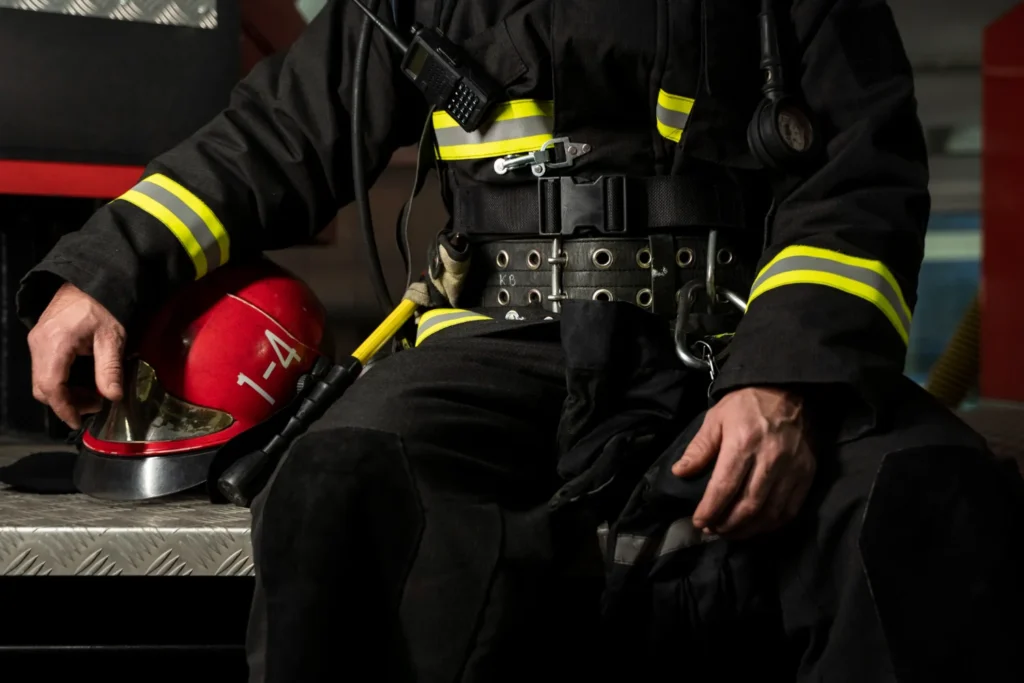
Professional Training
Master The Skills Of Fire Rescue
A modern academy offers a comprehensive curriculum that covers everything from basic fire suppression to advanced life-saving techniques. Students are expected to demonstrate discipline and teamwork throughout the program. Here are three core areas of focus during your time at the academy:
Physical Conditioning
Developing the strength and stamina required to carry heavy equipment and perform rescues in difficult environments.
Fire Science Knowledge
Understanding the behavior of fire, how it spreads, and the most effective ways to extinguish different types of blazes.
Emergency Medical Care
Learning essential first aid and life support skills to assist victims before they reach the hospital.
Expert Guidance
Learning From Experienced Professionals
The quality of instructors at a Firefighter Academy makes a significant difference in how well students prepare for real-world challenges. Most trainers are veteran firefighters who bring years of field experience into the classroom and onto the training ground. This mentorship allows students to learn not just the rules, but the practical wisdom that can only be gained through years of service in the fire department.
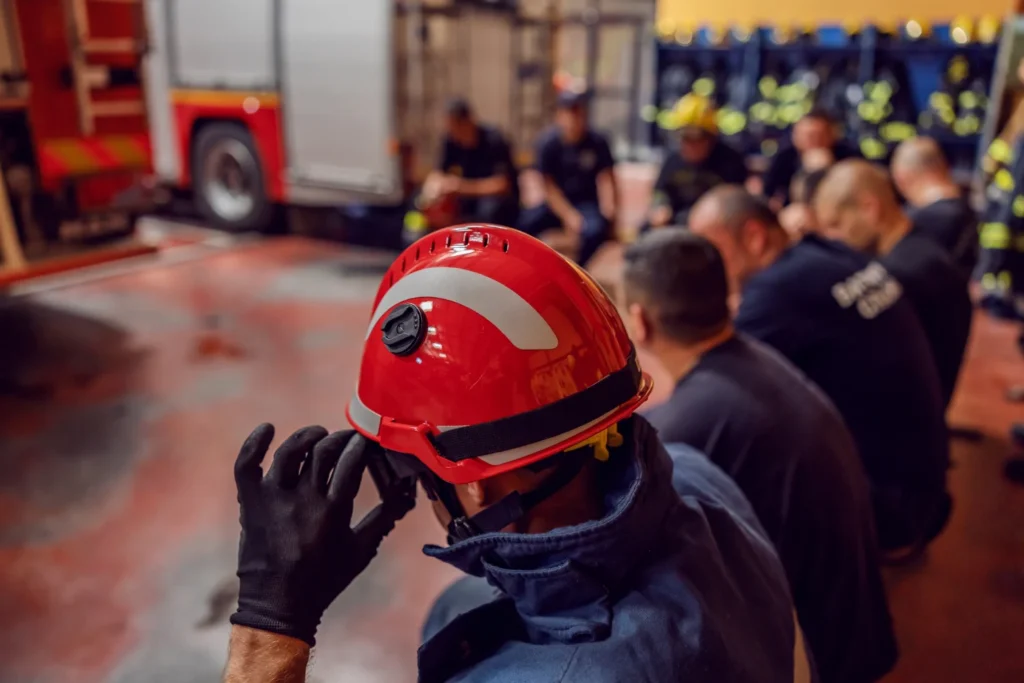
Career Preparation
What To Expect During The Program
The journey through the academy is designed to be challenging to ensure that only the most dedicated individuals move forward. Each phase of the training builds upon the last, creating a steady progression from classroom theory to intense practical drills. Students should be prepared for the following aspects of the program:
Technical Drill Sessions
These sessions involve repeated practice with ladders, hoses, and breathing apparatus until every movement becomes second nature. This repetition is crucial for maintaining safety during actual emergencies where every second counts.
Academic Examinations
Students must pass a series of written tests that cover fire codes, hazardous materials, and legal responsibilities. A deep understanding of these topics is required to ensure that all actions taken on the job are within professional standards.
Teamwork Challenges
Firefighting is never a solo job, so the academy places a heavy emphasis on group exercises. Learning how to communicate clearly and trust your team members is a vital part of the graduation process.